Thursday, 6 June 2013

DRAMA: Week 5 (using props to create a story)


Using props in the classroom can make performances rich and engaging for both performers and the audience. The props can be as cheap as a 2$ packet of balloons or a bunch of old rags found at home. Students use their imagination to create a fantasy world using these props. The props can create characters or aid the story. During my group’s presentation, we created a twisted fairy-tale performance of the classic 'Hansel and Gretel'.

Using only-


  • Two netted mesh pieces of fabric (witches cape and children’s clothes)


• Three balloons (three heads)


• A black permanent marker (face)


• And wool (witches hair)


We managed to create 3 very different characters using limited resources at a very inexpensive price. This lesson taught me that to gather essential props, it doesn’t have to be ready made or expensive. Items lying around the home are extremely beneficial and make high quality drama lessons.


DRAMA: Week 4 (story writing)


“Hello My flighty friends, I've been eating leaves for months and I think I’m ready to move and become like you. I've had to cover myself in silk wrapping and hang from a branch... is this true? What’s happened to all of you?"
This poem was created in class, in a group of three. The idea was to create a story or short script, which focused on the elements of drama while linking to another KLA. In this scenario, the students in this: stage one year one class were focusing on a science unit, focusing on the biology topic of 'lifecycles'. Students are collaborating ideas together to create a dialogue which builds on both drama and biology subject matter.

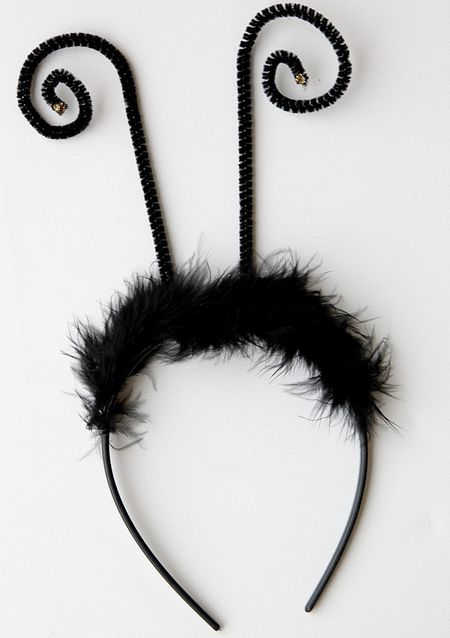
As the teacher, I would have everyone in the class focusing on lifecycles. You could even be very specific, having the students all focus on the life cycle of a caterpillar. Teachers should bring in resources for the students to use as props, examples may include a caterpillar head band, with little wobbly bobbles at the top, and these can be bought from most reject or 2dollar shops. Head bands can even be made in a visual arts lesson, to further focus on this topic. Students can use leaves or even a cape or shall (for the silk wrapping). For this age group, it would be a good idea to have the students write their story and plan their props in one lesson and perform in the next. Another important point is making certain that the children all gave had prior lessons on both life cycles and the life cycle of a caterpillar. Reading books about lifecycles or caterpillars is a great starting point to introducing the topic. The Very Hungry Caterpillar by Eric Carle, is a perfect story for students to read to introduce this topic.


Sunday, 10 March 2013

CREATIVE ARTS: Week 1 (What Good Are The Arts?)


Why is it important for children to be introduced to the arts?

 
Creative arts develops young minds and gives opportunities to all children.
Arts including:
  • Drama,
  • Visual arts,
  • Multimedia Teachnology,
  • Dance,
  • Music.
The arts produce positive developmental skills and qualities suchs as: 
  • Motivation,
  • Soical Skills,
  • Creative thinking, 
  • Success.
According to  Associate Professor Deirdre Russell-Bowie from the University of Western Sydney,  Dr Russell-Bowie states that the 'benefits of maintaining good creative arts programs in schools, and argues that an engagement in the arts leads to better levels of academic achievement and affective learning outcomes for young people."

'http://learning21c.wordpress.com/category/engaging-learning-environments/


Here are some more examples of why the arts are good for kids in education

  1. Students can learn more than just one idea by incorporating various  COGS and KLA's into their classroom lessons. For example A maths lesson could be incorporated into an art lesson by having students draw geometrical shapes in a poster format. (Student are not only developing the mathematical content but also strengthening their viual artistic ability. This lesson also gives the opportunity for students to show their knowledge in more than just one way.)
  2. Students use creative resources to link their knowledge and develop ideas.
  3. Students are given lessons that appeal to all sorts of learners and learning styles.
  4. Students are also given opportunities that they may otherwise never have access too. It is therefore essential that children are provided with quality arts education.
  5. For some students with learning disabilities, the arts help to produce communication and show knowledge.

All in all creative arts is a productive way at helping children in their social and academic development.